
NEWS
Consumer memory in gaming platforms: What you need to consider
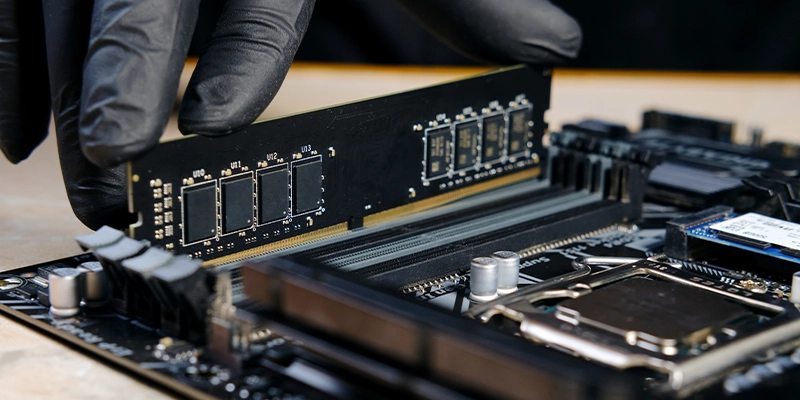
At Quixant, memory is considered part of the complete gaming platform rather than as an isolated commodity component.
On paper, memory can look like one of the simplest components in a gaming platform.
Two modules may offer the same capacity, the same DDR generation and apparently similar performance. So, particularly when memory pricing and availability are under pressure, sourcing lower-cost consumer memory can appear an obvious way to reduce system cost.
Where the premium for controlled, validated memory is significant, that price difference can be enough to change the risk calculation. Some customers choose to source reputable consumer-grade modules themselves and hold additional field spares, which can be a legitimate commercial trade-off. We recommend the controlled option, but it helps to understand what each approach involves.
Either way, the real question is not simply whether the memory works. It is whether the memory you buy tomorrow will continue to behave like the memory you validated today. For gaming manufacturers developing products that may remain in production and in the field for years, that distinction matters.
The specification does not tell the whole story
A memory module does not operate independently. It forms part of a complete system incorporating the processor, motherboard design, BIOS, firmware and other components. That means compatibility needs to be considered at system level.
Even where two memory modules appear to have the same headline specification, differences in the memory IC, die, PCB design, speed or timing can affect how the complete platform behaves.
Operating temperature is another consideration. A module’s published temperature rating does not by itself demonstrate how it will behave in the complete system. Quixant-approved memory is validated with the platform under thermal stress, including burn-in testing in a controlled heat chamber across the applicable system operating conditions. Third-party modules have not undergone the same system-level qualification, so equivalent operation within the platform cannot be assured.
And incompatibility does not always result in an obvious component failure.
It can manifest as intermittent system instability, unexpected restarts, blue screens or, in some circumstances, data corruption. These are exactly the types of issues that can consume engineering time because they can be difficult to reproduce and diagnose.
The module you validate may not be the module you receive later
One of the biggest considerations is not always performance. It’s configuration control.
Consumer-grade memory, including modules from major manufacturers, is one option, which can offer high quality and reliability. The more relevant distinction, however, is the level of BOM control, traceability, product-change notification and lifecycle commitment available for the exact part number. Consumer memory is designed for a market where products and components can change relatively quickly, so manufacturers may change internal components during a product’s commercial life as technology, availability and pricing change.
For a consumer PC, that may be perfectly acceptable. For an embedded gaming platform that has undergone extensive system validation, it creates a different challenge. A change to the memory IC, die or PCB means the module purchased later may not be technically identical to the module originally validated — even where the commercial specification appears unchanged.
Memory intended for embedded applications can instead be supplied against a controlled bill of materials, with changes managed through a defined product-change process. That gives engineering teams something extremely valuable: predictability.
Faster does not automatically mean compatible
Memory technology also evolves during the lifetime of a platform.
Imagine a system developed and validated using DDR5 memory running at 6400 MT/s. As the market evolves, newer modules with higher advertised speeds, such as 7200, become more widely available.
Installing the newer module is not as simple as benefiting from the additional speed. A module advertised at 7200 will not necessarily run at that speed: many high-speed modules reach it only through an XMP or EXPO profile and default to a lower JEDEC speed, with the BIOS and memory controller selecting from the available SPD profiles during memory training.
The complete platform was validated around a particular operating configuration, and that configuration depends on more than speed. Differences in SPD programming, DRAM density, rank or organisation can affect compatibility even when the configured operating speed remains unchanged. Maintaining that configuration may therefore require control over the memory’s SPD parameters, and using a new module could require further system validation and, depending on the platform, potentially other engineering changes.
The principle is simple: A higher-specification component will not automatically be a validated replacement.
Why lifecycle matters in gaming
Popular gaming products can have a long and successful life in the field, making long-term component availability important.
If the memory originally selected becomes unavailable while the gaming platform is still in production, an alternative needs to be sourced and its compatibility assessed. That can mean additional engineering, testing and validation — work that may not be reflected in the initial component saving.
Some customers manage this risk differently, by making a lifetime purchase or holding additional low-cost spares to cover expected failures and obsolescence. Where the premium for extended availability is large, that can be more economical. It does not eliminate qualification or compatibility risk, but it is one recognised lifecycle-management strategy.
Whichever approach is taken, memory lifecycle needs to be considered alongside price, capacity and performance when evaluating the total cost of a gaming platform.
What about gaming regulation?
Consumer memory generally is not the regulatory issue. The more important consideration is the validated system configuration.
Depending on the jurisdiction, certification approach and extent of a component change, modifications to a previously validated configuration may require additional documentation, testing or submission.
So, while the choice between consumer and embedded memory is not a regulatory decision, maintaining control over the configuration can become important when supporting products across regulated markets.
Look beyond the component price
There are approaches to sourcing consumer memory yourself which can be an entirely appropriate choice, particularly where the premium for controlled memory is significant.
But for a gaming platform expected to deliver consistent performance across extended production and deployment lifecycles, the decision should factor in more than the initial purchase price. The right answer is a customer-specific total-cost assessment, weighing the price premium for controlled memory against the cost of validation, spares, a lifetime purchase or requalification.
Consider:
- Has the exact memory configuration been validated with the complete platform?
- Can that configuration be controlled throughout the product lifecycle?
- How will component changes be communicated and managed?
- What additional engineering or validation could be required if the memory changes?
- What is the potential cost of diagnosing an incompatibility after machines have been deployed?
- How does the price premium for controlled memory compare with the cost of spares, a lifetime purchase or requalification?
At Quixant, memory is considered part of the complete gaming platform rather than as an isolated commodity component. By validating system configurations and managing component changes, we help customers reduce integration risk and create a more predictable foundation for their gaming products.
Need support choosing the right platform and memory configuration?
Whether you are developing a new gaming machine, updating an existing platform or reviewing your memory strategy, Quixant can help.
Our gaming platforms are developed and validated as complete systems, with specialist gaming engineering support available throughout your development journey. And when you need more than the platform itself, our wider hardware, software, display and peripheral technologies can be brought together to create a more integrated solution — helping reduce development complexity and get your product to market faster.
Explore our gaming platforms:
IQ 2® – A cost-effective Intel®-based gaming platform for applications where value, reliability and long-term availability matter.
IQON 3® – Our next-generation fanless gaming platform, powered by AMD Ryzen™ 8000 Series processors, for applications requiring greater performance and graphics capability.
IQON 3 Air® – Higher sustained performance for more demanding gaming applications, while retaining the benefits of an integrated gaming platform.
QMAX® – Configurable gaming solutions offering a choice of AMD or Intel® processing, graphics, memory and system configurations for more specialised requirements.
Need something more integrated?
Talk to our team about your application. From selecting and configuring the right gaming platform to software, displays, peripherals and engineering support, we can help you identify the technologies you need and bring them together into a solution built around your requirements.