
NEWS
G2E 2026: Six key trends shaping land-based gaming technology
From online studios entering the land-based market to increasingly sophisticated cabinet designs, G2E 2026 highlighted an industry evolving in both technology and the way gaming solutions are developed.
G2E 2026 brought together gaming manufacturers, developers, operators and technology providers from across the industry. For Quixant, it provided a valuable opportunity to connect with customers and partners, understand their evolving requirements and explore the technologies shaping the next generation of gaming machines.
What were the key gaming technology trends at G2E 2026?
Six key themes emerged from the show and our conversations with customers: growing interest from online gaming studios entering land-based gaming, increasing demand for integrated hardware and software solutions, more sophisticated cabinet displays and LED lighting, greater emphasis on regulatory compliance, evolving computing platform requirements, and the need to simplify development and accelerate time to market.
Together, these trends highlight a common challenge: as gaming technology becomes more sophisticated, manufacturers and developers increasingly need ways to reduce complexity and bring differentiated gaming solutions to market faster.
Here are the six trends that caught our attention at G2E 2026.
1. How are online gaming studios entering the land-based gaming market?
Online gaming studios are exploring opportunities to bring their existing game content into physical casino environments. While they may already have established software development capabilities, entering the land-based market requires additional expertise in gaming hardware, peripheral integration and regulatory compliance.
Many of these businesses already have successful gaming content, established development capabilities and a strong understanding of player engagement. However, translating that expertise into physical gaming machines introduces an entirely different set of requirements.
Unlike online gaming, land-based solutions must integrate dedicated computing hardware, gaming peripherals, cabinet controls and operating systems, while meeting the regulatory and technical requirements of their target jurisdictions. These may include bill validators, ticket printers, player tracking systems and communication protocols such as SAS (Slot Accounting System), alongside the software and security functionality required for regulated gaming environments.
For businesses entering this market, the challenge is not necessarily creating compelling games. It is navigating the hardware, software, integration and compliance requirements needed to bring those games to the casino floor.
This creates opportunities for technology partners that can provide more than individual components, helping developers bridge the gap between online content and regulated land-based gaming.
2. Why are integrated hardware and software solutions becoming more important in gaming?
Integrated gaming technology solutions can help manufacturers reduce engineering complexity, simplify component integration and accelerate development by bringing together gaming-specific computing hardware, software, displays and peripheral technologies.
Gaming manufacturers have traditionally brought together computing platforms, operating systems, software, displays, peripherals and other components from multiple suppliers.
While this provides flexibility, it can also introduce additional engineering work, integration challenges and longer development cycles. Increasingly, there is an opportunity to simplify this process through more integrated technology solutions.
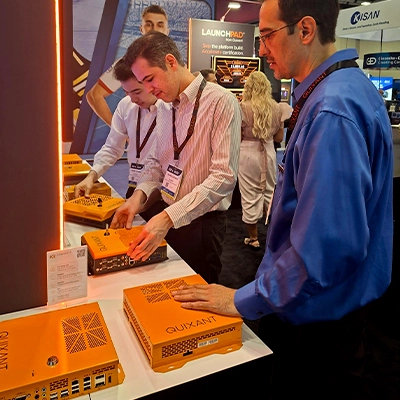
By combining gaming-specific computing hardware with software platforms, displays, peripheral connectivity and engineering expertise, manufacturers can reduce the number of separate elements they need to develop and integrate.
This approach is particularly relevant for companies entering land-based gaming for the first time, but it can also benefit established manufacturers looking to optimise engineering resources, reduce complexity and accelerate product development.
At Quixant, this is a key part of our approach: bringing together gaming hardware, software and supporting technologies to help customers build smarter and get to market faster. Solutions such as Launchpad™, Quixant’s gaming software platform, provide a foundation for gaming-specific software functionality and peripheral integration, helping developers focus more of their resources on creating differentiated gaming experiences.
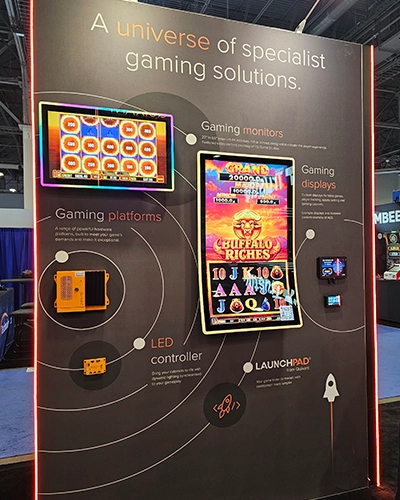
3. What are the latest trends in gaming cabinet design?
Gaming cabinet design is increasingly focused on creating distinctive player experiences through large curved displays, portrait screen configurations, integrated LED lighting and more sophisticated visual effects.
Across the G2E show floor, it was clear that cabinet design remains an important area of innovation and differentiation.
Large curved displays, particularly in portrait configurations, featured prominently, alongside increasingly creative approaches to LED lighting and visual effects. Manufacturers are exploring new ways to use lighting, cabinet materials, diffusers and display technologies to create distinctive machines and more immersive player experiences.
But achieving these effects requires more than selecting an attractive display or adding LED strips.
Display format, graphics performance, lighting control, power requirements, connectivity and physical integration all influence the finished solution. Gaming-specific monitors, including flat and J-curve displays, and programmable LED controllers can help manufacturers create coordinated visual experiences while addressing the practical requirements of cabinet integration.
As cabinet designs become more sophisticated, the ability to bring these technologies together effectively becomes increasingly valuable.
For manufacturers, this creates opportunities to differentiate their gaming experiences while simplifying the technology behind them.
4. Why is regulatory compliance critical in land-based gaming development?
Regulatory compliance is a fundamental consideration in land-based gaming because gaming machines must meet the technical, security and operational requirements of the jurisdictions in which they are deployed. These requirements can influence hardware selection, software architecture, peripheral integration and the testing process.
Bringing a gaming product to market is about much more than developing the hardware and software.
Regulatory requirements can influence almost every aspect of a gaming solution, from operating system configuration and security to peripheral communications, accounting, data integrity and testing.
These requirements can also vary significantly between markets and jurisdictions. Depending on the market and application, manufacturers may need to demonstrate compliance with applicable gaming standards, including relevant Gaming Laboratories International (GLI) standards and jurisdiction-specific requirements.
For manufacturers, particularly those entering new markets, understanding these considerations early in the development process can help avoid unnecessary redesign, delays and additional engineering costs.
As the industry evolves, access to gaming-specific technical knowledge and experience with regulatory requirements is becoming an increasingly important part of the value technology partners can provide.
It is also why development platforms designed specifically for gaming applications, alongside knowledgeable engineering and integration support, can play an important role in helping manufacturers navigate the path to market.
5. What should manufacturers consider when selecting gaming computing hardware?
Selecting the right gaming computing platform requires manufacturers to balance processing and graphics performance with software compatibility, peripheral connectivity, thermal requirements, cost and long-term availability. The latest processor is not necessarily the best choice for every gaming application.
G2E also highlighted the continued evolution of gaming computing technology, with new processor architectures, graphics capabilities and platform designs creating opportunities for manufacturers.
However, adopting the latest technology is not always as straightforward as selecting the latest processor.
Gaming manufacturers must consider a much broader set of requirements, including graphics performance, power consumption, thermal management, software compatibility, availability, cost and long-term product support.
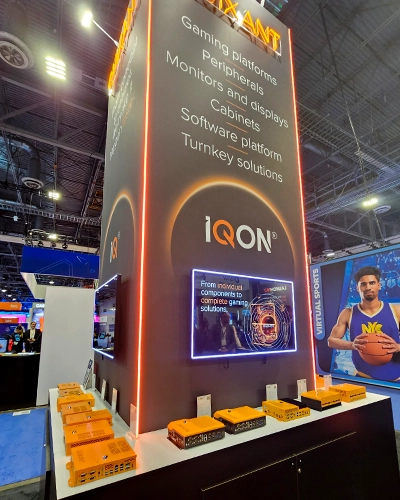
Different processor architectures, including established x86 platforms and emerging ARM-based options, bring different considerations around performance, software ecosystems and integration. Similarly, the choice between integrated and discrete graphics depends on the application’s visual requirements, cabinet architecture and power constraints.
The growing range of processor options available to manufacturers is one example of how these decisions are becoming more nuanced.
Ultimately, the right computing platform is the one that best meets the requirements of the gaming application, both today and throughout its intended lifecycle.
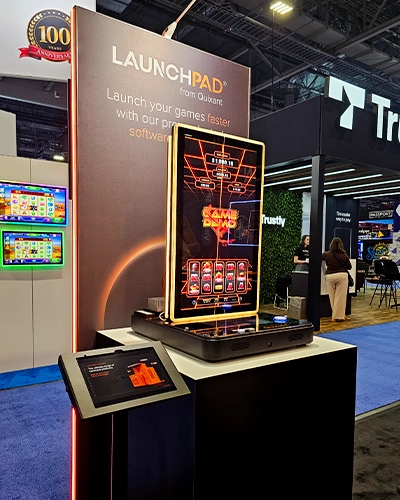
6. Perhaps the clearest takeaway from G2E 2026 is that innovation is not only about delivering more powerful hardware or increasingly impressive gaming cabinets.
Gaming manufacturers can reduce development time by using proven computing platforms, pre-integrated software functionality, gaming-specific development tools and experienced technical support. These approaches can reduce the engineering effort required to integrate and validate individual components.
Perhaps the clearest takeaway from G2E 2026 is that innovation is not only about delivering more powerful hardware or increasingly impressive gaming cabinets.
It is also about making gaming solutions easier to develop, integrate, maintain and bring to market. Whether a business is entering land-based gaming for the first time, developing a new cabinet or refreshing an established product range, reducing unnecessary complexity can make a meaningful difference.
Integrated hardware and software platforms, gaming-specific development tools, experienced engineering support and an understanding of regulatory requirements all have a role to play. Tools such as peripheral simulators and software development kits can also help developers test functionality and integration earlier in the development process, reducing dependence on fully assembled gaming cabinets during initial development.
For Quixant, these conversations reinforce the importance of delivering technologies and expertise that help customers focus on what differentiates their gaming products, rather than spending valuable development time solving challenges that have already been addressed.
Looking ahead: Exploring the technologies shaping gaming
G2E 2026 provided plenty of insight into where the industry is heading, but many of these topics deserve a closer look.
Over the coming weeks, we will be exploring some of the key challenges and opportunities shaping land-based gaming, including:
- What online game developers need to know before entering the land-based market.
- Why integrated gaming technology solutions are becoming increasingly important.
- How to navigate the technical and regulatory requirements of gaming development.
- The evolving role of curved displays, LED lighting and cabinet design.
- How manufacturers can simplify development and accelerate time to market.
Each article will explore a specific challenge facing gaming manufacturers and developers, with practical insights into the technologies, considerations and approaches that can help address it.
How Quixant supports the next generation of land-based gaming
Quixant specialises in technology solutions for the land-based gaming industry, bringing together gaming computing platforms, software, monitors, peripheral technologies and engineering expertise.
Our portfolio includes gaming-specific computing hardware, from compact embedded platforms to configurable high-performance solutions, alongside Launchpad™, our gaming software platform designed to simplify development and integration.
By combining these technologies with gaming industry experience and technical support, Quixant helps manufacturers and developers address the challenges of building differentiated gaming solutions and bringing them to market.
The industry continues to evolve. Our focus remains on helping customers turn new opportunities into successful gaming products.
Ready to discuss your next gaming project? Get in touch with Quixant.